

Description
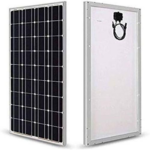
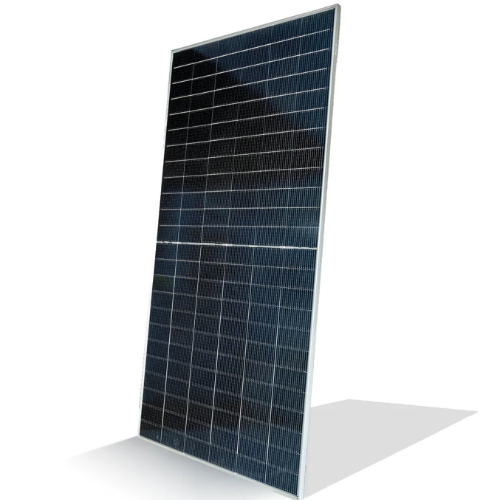
620W Monocrystalline Bifacial Solar Panel
The 620W Monocrystalline Bifacial Solar Panel is a high-power photovoltaic module designed to convert sunlight into electricity using advanced monocrystalline solar cell technology. Featuring a bifacial design, the panel can capture sunlight from both its front and rear surfaces, potentially increasing total energy generation when installed in suitable conditions.
With a rated front-side output of 620 watts under standard test conditions, this solar panel is an option for residential, commercial and industrial solar installations. Its high power rating can help reduce the number of modules required for a target system capacity, depending on the specifications of the other components and the available installation space.
For customers in Kenya looking to invest in solar energy, the 620W monocrystalline bifacial solar panel offers a solution to consider for building efficient photovoltaic systems tailored to their electricity requirements.
Monocrystalline Solar Cell Technology
Monocrystalline solar panels use photovoltaic cells manufactured from monocrystalline silicon. This technology is widely used in modern solar installations because it can provide high power output relative to panel area.
When sunlight reaches the solar cells, the cells convert a portion of the incoming light into direct current (DC) electricity. The electricity can then be supplied to compatible power conversion equipment for use in a building or other electrical installation.
The actual performance of the panel depends on sunlight intensity, operating temperature, shading, installation angle and the specifications of the individual module. Customers should consult the manufacturer’s datasheet for confirmed efficiency, dimensions and electrical ratings.
Bifacial Design for Additional Energy Generation
A key feature of this panel is its bifacial construction. Unlike conventional monofacial modules, which primarily generate electricity from light reaching the front surface, bifacial panels can also collect light reaching the rear surface.
The rear side may capture sunlight reflected from the ground or nearby surfaces. Depending on the installation, this additional light can contribute to increased energy production.
The level of additional generation depends on ground reflectivity, panel height, mounting structure, spacing between modules, surrounding obstructions and rear-side shading. A well-designed installation can help maximise the potential benefit of bifacial technology.
It is important to distinguish the panel’s 620W front-side rating from any additional output resulting from rear-side illumination. Actual bifacial gain varies with installation conditions and is not guaranteed.
High-Power 620W Solar Performance
The 620W power class makes this solar panel suitable for projects requiring substantial output from individual modules. Higher-wattage panels can help designers achieve a desired solar array capacity with fewer modules than would generally be required using lower-wattage panels.
This can be useful where installation space, mounting arrangements and labour requirements are important considerations.
However, a panel’s rated wattage does not represent its guaranteed output throughout the day. Electricity production changes with sunlight availability, temperature, weather conditions and system losses.
For an accurate system design, the panel count should be determined using the required system capacity, expected energy consumption and local solar conditions.
Applications for Homes and Businesses
The 620W Monocrystalline Bifacial Solar Panel can be considered for a range of suitably designed solar installations, including:
- Residential rooftop solar systems.
- Commercial buildings and office facilities.
- Industrial solar installations.
- Ground-mounted solar arrays and solar farms.
- Agricultural facilities and rural energy projects.
- Larger solar projects designed for future expansion.
The most appropriate application depends on the module’s electrical specifications, installation requirements and the energy demands of the property.
Solar Energy Solutions in Kenya
Solar power offers Kenyan households and businesses an opportunity to generate electricity from sunlight and supplement grid power. A correctly designed photovoltaic installation can help reduce grid electricity consumption when solar generation meets part of the property’s demand.
The 620W monocrystalline bifacial panel may be suitable for projects where high module output and the potential benefits of rear-side light collection are desirable.
For commercial and industrial users, an appropriately sized solar array can help supply daytime electrical loads. Residential users can also consider solar panels as part of a system designed around their household consumption.
Actual energy production and potential savings depend on the number of installed panels, sunlight availability, shading, inverter efficiency, electricity usage and the applicable electricity tariff.
Compatibility with Solar Inverters
Correct compatibility between solar panels and inverters is essential for safe and reliable operation. Before installing this 620W module, the system designer should confirm its open-circuit voltage, maximum power voltage, short-circuit current and maximum power current.
These values must fall within the operating limits of the selected inverter or other compatible power conversion equipment. The designer should also account for temperature-related voltage changes and the maximum permitted input current.
Where battery storage is required, appropriate charging equipment and a compatible battery configuration must be included in the system design.
A qualified solar installer can assess these requirements and determine the appropriate number of panels and connection arrangement.
Installation and Maintenance
Proper installation helps support reliable performance throughout the panel’s service life. The mounting structure should be appropriate for the module and installed according to the manufacturer’s mechanical and electrical requirements.
For bifacial installations, the rear surface should have sufficient exposure to reflected or scattered light to benefit from the technology. Mounting structures that unnecessarily block the rear surface may reduce the additional energy that can be collected.
Regular inspection and safe cleaning help maintain the panel’s performance. Customers should check for dirt accumulation, visible damage and loose connections, following the manufacturer’s maintenance guidance.
Buy a 620W Monocrystalline Bifacial Solar Panel from Alynet Solutions
Alynet Solutions provides solar and electrical products for customers in Kenya. The 620W Monocrystalline Bifacial Solar Panel is an option for homeowners, businesses, contractors and solar installers planning compatible photovoltaic systems.
Its monocrystalline cell technology, 620W rated output and bifacial design make it worth considering for installations seeking high power generation and potential benefits from rear-side illumination.
Pair the panel with compatible equipment and professional installation to build a solar power system suited to your energy requirements.


Reviews
There are no reviews yet.